
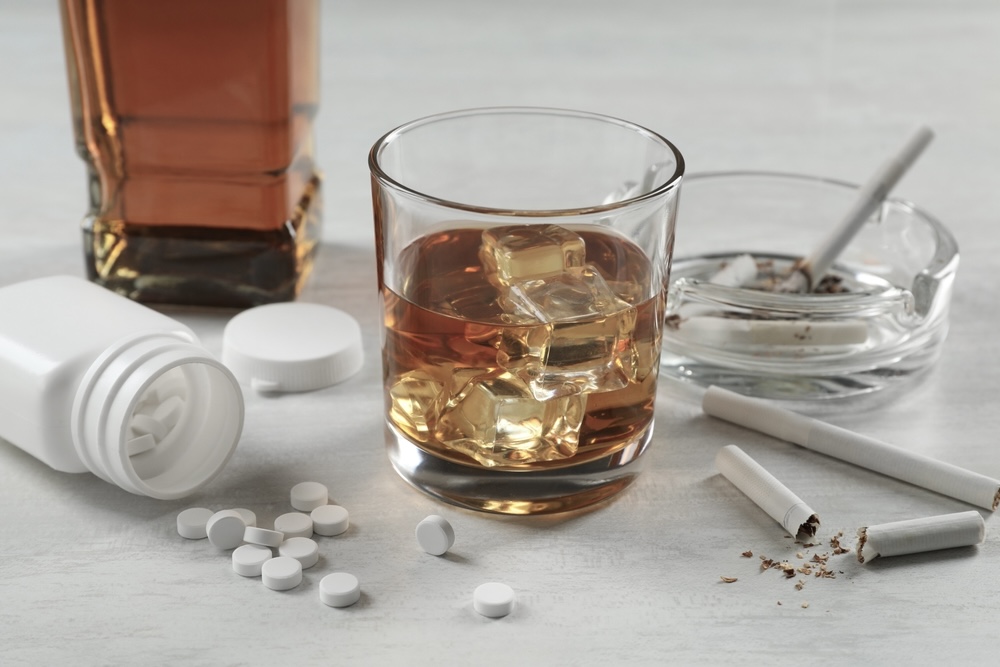
Mixing alcohol and drugs may happen deliberately or by accident. You might drink after taking prescription medication without checking the label. Perhaps you use one substance to change the effects of another. Illegally made pills and powders can also contain unexpected drugs. In each situation, your body must respond to several substances at once.
This pattern is called polysubstance use. The effects can be stronger, weaker, or different from what you expect. One substance may also hide warning signs caused by another. Your personal risk depends on the substances, amounts, timing, health, and tolerance involved. However, no combination should be assumed safe without guidance from a doctor or pharmacist. These five dangers explain why mixing alcohol and drugs deserves serious attention.

1. Depressants Can Slow Your Breathing to Dangerous Levels
Alcohol is a central nervous system depressant. Opioids, benzodiazepines, sleeping medications, and some other drugs can also slow brain activity. When combined, their effects may build on each other rather than simply add together.
You may become extremely sleepy, confused, or difficult to wake. Your breathing can become slow, shallow, or irregular. In severe cases, breathing may stop. This danger can increase during sleep because no one may notice the change.
People often mix these substances because alcohol feels familiar. You might not think of it as another drug when taking pain or anxiety medication. Someone may also drink without realizing a medication remains active in their body. Always check medication labels and ask a pharmacist about alcohol interactions.
Call 911 if someone cannot wake, breathes irregularly, or has blue or gray skin. Give naloxone if an opioid may be involved and naloxone is available.
2. Stimulants Can Hide How Impaired You Really Are
Some people combine alcohol with cocaine, methamphetamine, or other stimulants to feel more alert. They may believe an “upper” will balance the slowing effects of alcohol. It does not. Both substances remain active and continue affecting the body.
A stimulant may make you feel less tired without making you less impaired. You might drink more, take another dose, or miss signs that your body is struggling. Meanwhile, your heart rate and blood pressure may rise. Alcohol can still affect coordination, judgment, and reaction time.
This masking effect helps explain why the combination happens repeatedly. You may remember feeling awake and assume you handled it well. However, how alert you feel does not reliably show how intoxicated you are. The strength and contents of illegal drugs can also change from one use to the next. A previous experience cannot predict what will happen the next time.
3. Common Medications Can Create Unexpected Interactions
Mixing substances does not always involve illegal drugs. Prescription and over-the-counter medications can interact with alcohol. These may include pain relievers, sleep aids, anxiety medications, allergy products, and certain antidepressants.
Possible effects depend on the medication. Alcohol may increase sleepiness, dizziness, poor coordination, stomach bleeding, or breathing problems. Some combinations may also place extra stress on the liver. For example, alcohol and acetaminophen can increase the risk of serious liver injury under certain circumstances.
These interactions happen often because people may not consider medication a drug. You might take a familiar product and drink several hours later without expecting a problem. Another person may use more than one medication containing the same active ingredient.
Read every label, including labels on nonprescription products. Tell your health care provider about your alcohol use and everything you take. A pharmacist can help you understand whether a specific medication interacts with alcohol.
4. Unpredictable Contents Can Raise the Overdose Risk
You cannot confirm the contents of an illegal pill or powder by looking at it. Counterfeit tablets may resemble prescription medications while containing fentanyl, methamphetamine, or other substances. Cocaine and other drugs can also contain unexpected fentanyl.
This means someone may mix alcohol with an opioid without knowing it. Because alcohol and opioids both slow breathing, hidden fentanyl can turn an already risky situation into a fatal overdose. Tolerance does not provide dependable protection when the contents and strength remain unknown.
Alcohol can also reduce judgment. After drinking, you may take more of a drug than planned or forget what you already used. Confusion can delay the moment when you or someone nearby recognizes an emergency.
Naloxone can reverse an opioid overdose when given in time. More than one dose may be necessary. Call 911, follow the dispatcher’s instructions, and remain with the person until help arrives.
5. Emotional Pain Can Keep the Pattern Going
People mix substances for many reasons. You may want to feel stronger effects, stay awake, fall asleep, reduce pain, or soften an emotional crash. Someone living with anxiety or depression may use alcohol and drugs to escape distress. Over time, short-term relief can create larger problems.
Repeated use can increase tolerance, cravings, and dependence. It may also worsen sleep, judgment, relationships, and mental health. When alcohol use, drug use, and emotional symptoms influence each other, treating only one concern may leave important needs unresolved.
Integrated dual diagnosis treatment addresses substance use alongside co-occurring mental health needs. Your care plan may include an assessment, therapy, medical support, and recovery planning. Treatment will depend on your symptoms, substances, and personal history. Honest information about everything you use helps providers recommend safer care.
You Can Address the Whole Pattern With Support
Mixing alcohol and drugs can affect breathing, heart function, judgment, and mental health. It can also increase the risk of injury, overdose, and long-term health problems. If you regularly use several substances, do not stop suddenly without medical advice. Withdrawal risks depend on the substances involved, and some forms can become life-threatening.
Mountain Vista Farm approaches recovery as a chance to restore balance across your life. Our team can help you examine how alcohol, other drugs, and emotional challenges have become connected. Through our drug treatment programs, you can develop safer coping methods and work toward steady change in a peaceful Sonoma County environment. Contact us to discuss a treatment path shaped around your needs.