
Fentanyl has changed America’s opioid crisis. Its strength, availability, and presence in counterfeit pills have increased overdose risks. Many people encounter illegally made fentanyl without knowing it. Others know they’re using fentanyl but cannot tell how much a dose contains. This uncertainty can turn any use into a medical emergency.
Recent overdose deaths have declined, which offers real hope. However, fentanyl remains a major cause of fatal overdoses across the country. Understanding fentanyl dangers can help you make informed choices and respond during an emergency. It can also help you recognize when someone needs fentanyl addiction treatment.
Fentanyl Began as a Medical Pain Medication
Fentanyl is a synthetic opioid. This means laboratories produce it rather than deriving it directly from the opium poppy. Doctors may use pharmaceutical fentanyl during surgery or to treat certain cases of severe pain. It can provide effective pain control when prescribed and monitored carefully.
Pharmaceutical fentanyl and illegally made fentanyl are not the same type of product. Licensed manufacturers must follow standards for strength, purity, labeling, and quality. Illegally produced fentanyl has no reliable quality controls. Its strength and contents can vary between batches or even individual pills.
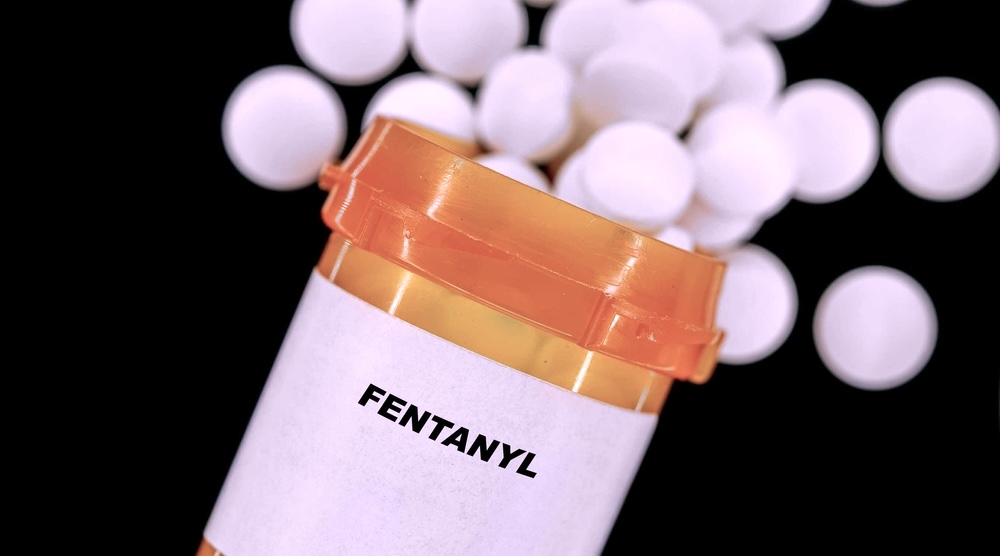
Most fentanyl-related harm in the United States now involves illegally made products. Recognizing this difference avoids creating fear around appropriate medical care. It also draws attention to the unpredictable illegal supply, where a person cannot confirm a product’s contents by looking at it.
The Opioid Crisis Shifted Toward Synthetic Drugs
America’s opioid crisis developed in several waves. The first involved rising deaths connected to prescription opioids. Heroin deaths increased during a second wave beginning around 2010. A third wave emerged around 2013 as deaths involving synthetic opioids, especially illegally made fentanyl, rose sharply.
Fentanyl changed the illegal market because it is highly potent and easier to transport in small amounts. It began appearing with heroin and eventually spread through a much wider drug supply. Illegally made fentanyl is now sold as powder and pressed into counterfeit pills.
Synthetic opioids other than methadone were involved in thousands of overdose deaths during 2024. This category mainly reflects illegally made fentanyl, but it includes other synthetic opioids. The number fell from 2023, yet it remained much higher than deaths involving heroin or prescription opioid categories. The decline matters, but the danger has not disappeared.
Extreme Potency Leaves Little Room for Error
Fentanyl is about 50 to 100 times more potent than morphine. A very small amount can slow or stop breathing. The effect will depend on the person’s tolerance, health, dose, and use of other substances. There is no single amount that affects everyone in the same way.
Illegal production makes that potency more dangerous. Manufacturers do not follow dependable dosing standards. One pill may contain little fentanyl, while another pill from the same supply may contain a potentially fatal amount. You cannot identify fentanyl or measure its strength through color, taste, smell, or appearance.
Alcohol, benzodiazepines, and other sedating substances can increase overdose risks when combined with opioids. Stimulants do not protect someone from an opioid overdose either. Many fatal overdoses involve more than one drug, which can make the body’s response harder to predict.
Counterfeit Pills Can Hide Fentanyl Exposure
Counterfeit pills may look like prescription oxycodone, alprazolam, or other medications. They can copy familiar colors, shapes, numbers, and logos. However, their appearance does not confirm what they contain. A pill obtained outside a licensed pharmacy may contain fentanyl, methamphetamine, another substance, or an unknown combination.
Fentanyl can also appear in heroin, cocaine, and methamphetamine. A person seeking a non-opioid drug may therefore face an unexpected opioid overdose. This hidden exposure has expanded fentanyl dangers beyond people who knowingly use opioids.
Fentanyl test strips can detect the drug in many samples and help reduce risk. However, they cannot tell you how much fentanyl is present. They may not detect every fentanyl-related substance, and a negative result cannot guarantee safety. No test makes an illegal drug completely safe to use.
Recognizing an Overdose Can Save a Life
An opioid overdose can make someone difficult or impossible to wake. Their breathing may become slow, irregular, or stop completely. Other warning signs include pinpoint pupils, choking sounds, limpness, or pale, gray, or blue skin. Skin color changes may appear differently depending on the person’s complexion.
Call 911 immediately if you suspect an overdose. Give naloxone if it is available, then provide another dose after two to three minutes if the person does not respond. More than one dose may be needed. Follow the dispatcher’s directions and support the person’s breathing if you know how. Stay with them until emergency help arrives.
Naloxone can reverse an opioid overdose, including one involving fentanyl. It will not harm someone who is not experiencing an opioid overdose. Keeping it nearby gives you a practical way to respond, but emergency medical care is still necessary.

Treatment Can Help You Move Beyond Immediate Risk
Fentanyl exposure can lead to physical dependence, withdrawal, cravings, and opioid use disorder. Withdrawal is often painful, and its timing can vary. Trying to stop without support may increase the chance of returning to use. Your overdose risk also rises after a period without opioids because your tolerance decreases.
Opioid addiction treatment can include medications for opioid use disorder, counseling, and structured recovery support. Methadone and buprenorphine can reduce withdrawal symptoms and cravings. Naltrexone blocks opioid effects but requires an opioid-free period before treatment begins. A qualified provider should recommend medication based on your individual needs. Recovery care can also help you understand triggers, rebuild routines, and prepare for stressful situations.
If fentanyl use has placed your health at risk, Mountain Vista Farm offers a supportive path forward. Our experienced team helps you strengthen coping skills and address the challenges connected to substance use. Treatment provides the guidance, accountability, and human connection needed for meaningful change. Reach out when you’re ready to explore recovery in a safe Sonoma County environment.